Use a merchandise schedule
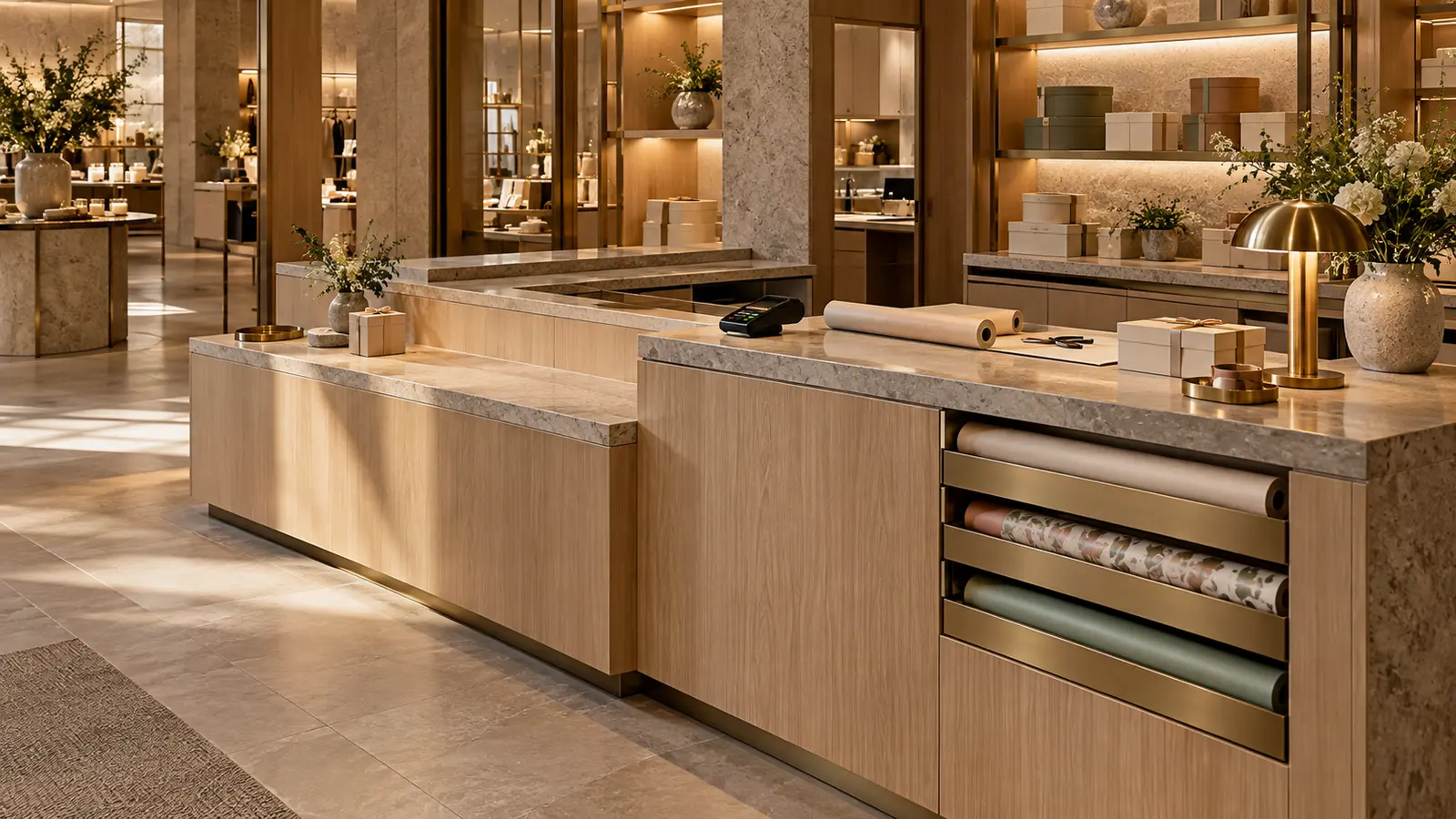
Record the dimensions, quantities and display method of the products. Note which ranges change frequently and which remain stable. Large seasonal differences may affect shelving, hanging, signage and storage. A merchandise schedule gives the designer information that a brand moodboard cannot supply.
Plan the changeover
Ask how staff will remove, store and reset display components. Review weights, fixings and the access needed for safe handling with the appropriate suppliers. Lighting and power should be coordinated with the intended range of arrangements. Flexibility works best when its practical limits are understood before fabrication.
Keep the customer route legible
A seasonal reset should still preserve a clear entrance, understandable category sequence and practical circulation. Consider where customers pause, queue or ask for help. Test a proposed change with both customer and replenishment movement represented on the plan so the display does not consume the space needed to use it.
A planning scenario
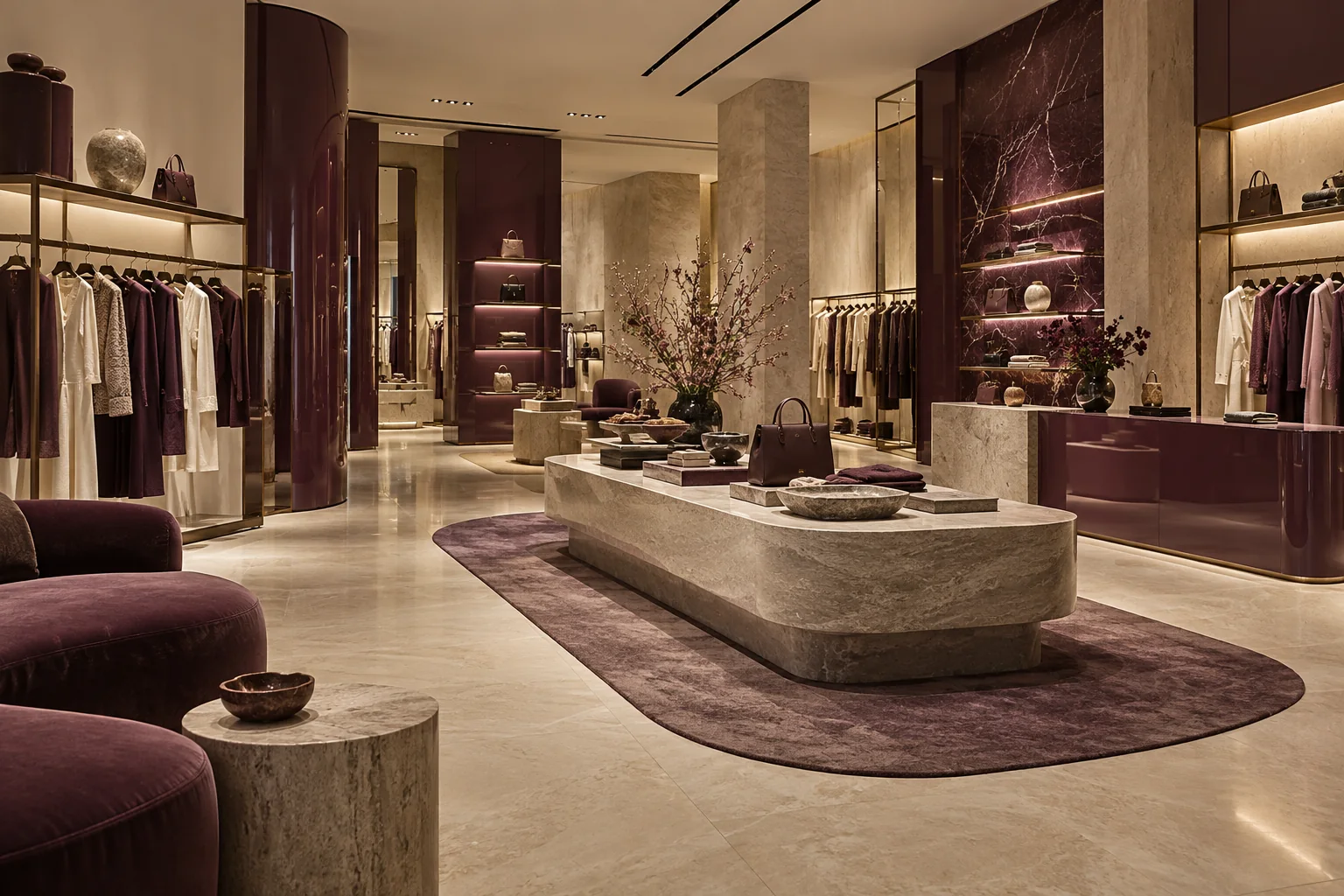
Imagine a fictional boutique that moves from folded accessories to a larger hanging collection. The fixture brief tests both arrangements before manufacture, including the location of spare components. The exercise shows what flexibility is required instead of using “adaptable” as an untested description.
A useful review checklist
Use these prompts to turn the discussion into a record that can be compared with drawings, supplier information and the project scope. Mark what is confirmed, who needs to respond and when the decision is required.
- Record current and future merchandise sizes
- Identify fixed and changing displays
- Plan component storage and changeover
- Coordinate lighting with display options
- Retest circulation after each proposed arrangement
Define what actually changes between collections
List the product dimensions, display quantities, campaign materials and equipment likely to change. Separate those from the store's fixed identity and technical systems. This gives the designer a realistic basis for flexibility. Avoid asking every fixture to support every possible product if the business has a clearer merchandise pattern. A useful display system accommodates expected change while retaining a legible customer route and a manageable arrangement for staff.
Plan the changeover as a practical activity
Describe when displays are changed, where stock and removed components are held and who carries out the work. Consider packaging, tools and the time the business can allocate without disrupting customers. Technical adjustments should remain with the appropriately responsible parties. A system that is flexible in theory may be cumbersome if changeover requires dismantling unrelated fixtures or finding storage that the unit does not have. Review that process before approving fabrication.
Test two genuinely different merchandise scenarios
Use one typical collection and one credible alternative with different proportions or display needs. Place representative products into the proposed arrangement and review lighting, signage and access in both cases. This reveals whether the selected flexibility supports the business or simply adds components. Record the limits of the system and the changes that require supplier or specialist involvement. The operator should understand what can be adjusted normally and what needs further review.
Keep an inventory of reusable display parts
Label shelves, rails, graphics holders and other interchangeable components where they form part of the agreed system. Record storage locations and relevant product references. After a changeover, note damaged or missing pieces and update the intended arrangement. Reusable parts only remain useful if staff can identify and find them. Link the display guidance to the actual merchandise plan rather than relying on a single photograph taken when the store first opened.
Carry the decision through to delivery
Keep the accepted decision with the current scope and drawings. If a product, layout or responsibility changes, record the effect on the other work before purchasing or proceeding. At completion, retain the relevant operating and care information with the project record. The next conversation is more useful when the unresolved questions are visible.
Sources & further reading
Make this useful for your project.
A review of your property and priorities can turn general guidance into a defined brief.
Explore Boutique interiorsDiscuss your project