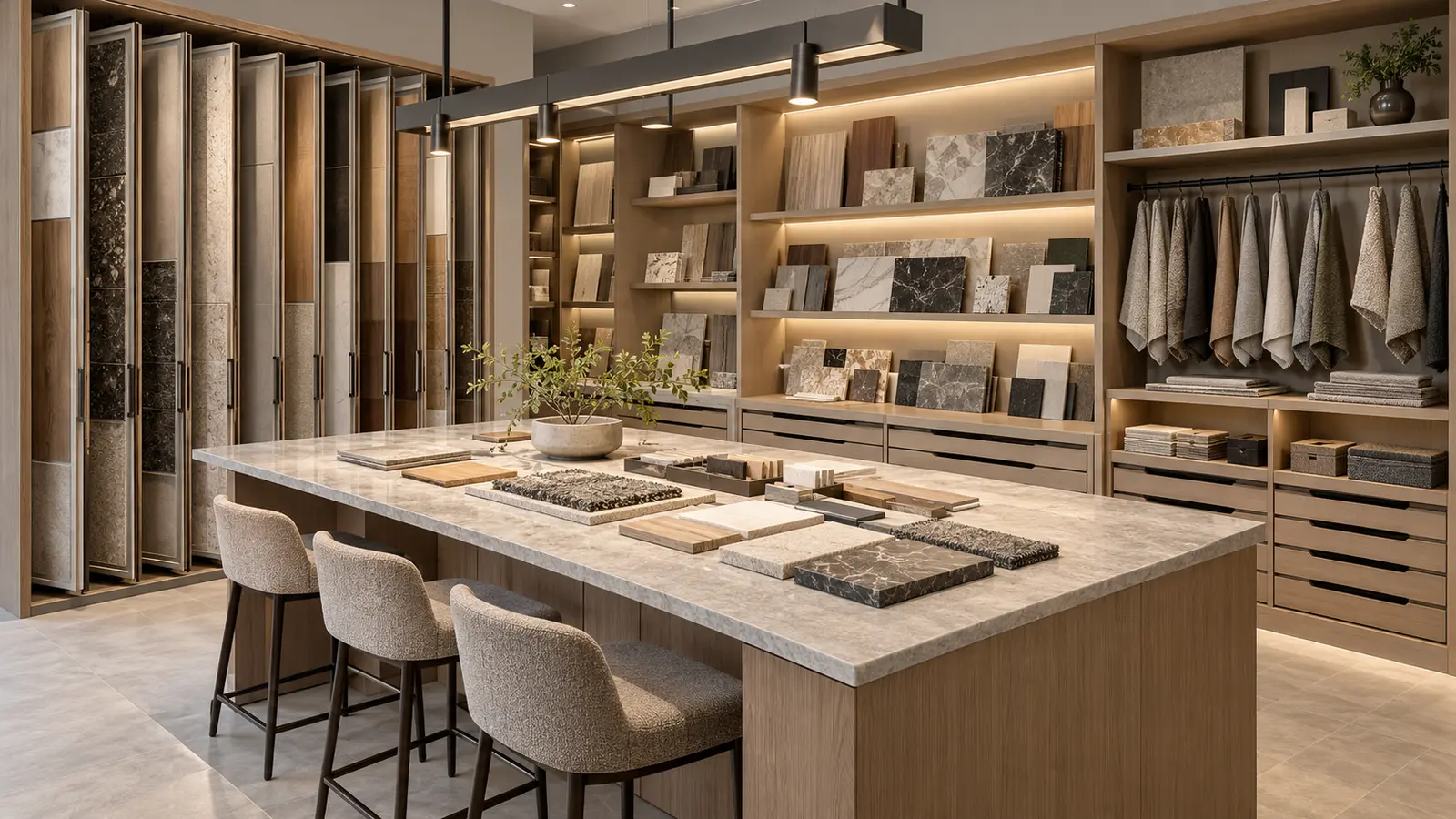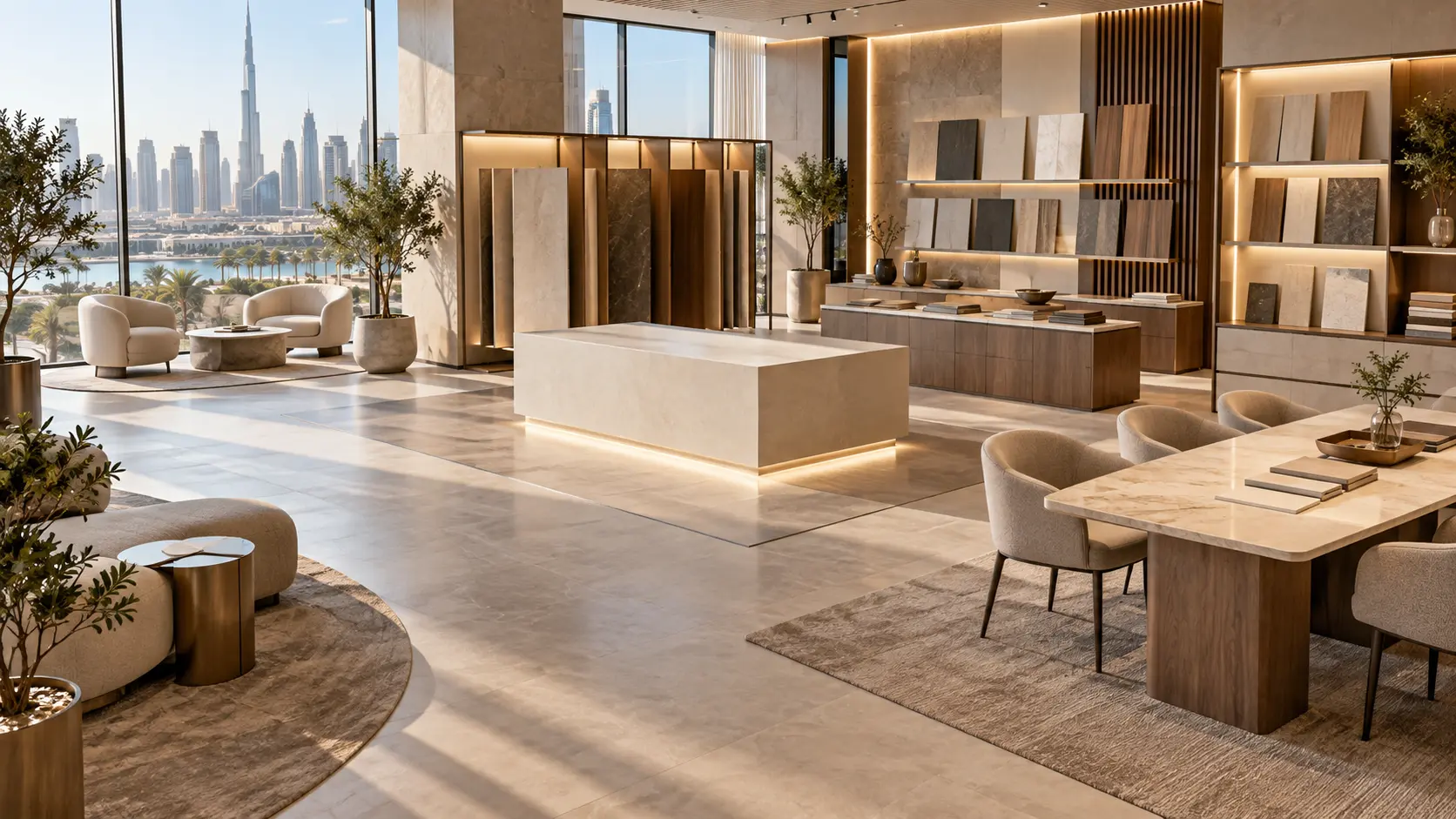
Bring representative products
Review the merchandise that matters most to the store rather than relying only on empty display images. Colour, texture, reflectivity and packaging affect how products read against a background. Include a range of typical items so a display is not optimised for one sample while the rest of the collection is overlooked.
Coordinate the visible equipment
Lighting positions, tracks, integrated fittings and power routes need to work with the display joinery and signage. Consider reflections in glass, mirrors and glossy products. The appointed lighting specialist should assess the requirements for the actual setting. Product samples and a mock-up can make the discussion more concrete.
Plan adjustment and care
Retail displays change, so consider who can adjust fittings, access equipment and maintain the installation. Keep the final product schedule and operating information. A lighting concept should also acknowledge the general environment around the unit and the landlord’s relevant requirements where applicable.
A planning scenario
In this example showroom, polished and matte products share a display. A sample review reveals that they respond differently to the same lighting angle and background. The design is developed using both product types, with final specification left to the appointed professionals.
A useful review checklist
Use these prompts to turn the discussion into a record that can be compared with drawings, supplier information and the project scope. Mark what is confirmed, who needs to respond and when the decision is required.
- Review representative merchandise
- Compare light with the chosen backgrounds
- Check reflections and visible equipment
- Coordinate power with fabrication
- Agree adjustment and maintenance responsibilities
Bring products with different visual properties
Select representative merchandise, including light and dark colours, textured surfaces and any reflective packaging. Review them under the proposed lighting with the surrounding display finishes. A fitting that makes one product attractive may reveal glare or an unwanted colour impression on another. Ask the lighting specialist to explain the intended approach for the actual merchandise and space, rather than selecting a system solely from a photograph of a different store.
Review the customer and staff viewpoints
Look from the approach, normal browsing position and any service counter. Include mirrors, glazing and screens where they affect the experience. A source that appears discreet from one angle can be prominent from another. Coordinate the visible equipment with display joinery and signage before installation. The review should connect the desired presentation with the practical positions from which people see and use the products throughout the operating day.
Distinguish display effect from technical selection
The operator can judge whether the merchandise is presented as intended, while the relevant professionals address the technical design and applicable requirements. Keep those responsibilities clear. Record the selected fitting and equipment information, intended positions and the scope for adjustment. Do not treat an appearance review as confirmation of every technical characteristic or assume a substitute fitting will produce the same result because it looks similar in a catalogue.
Plan adjustment and maintenance access
Ask how fittings are adjusted, cleaned and replaced, and who is responsible for those tasks. Include the effect of changing displays and signs. Keep the actual product references and operating guidance with the store's handover information. If the merchandise changes substantially, review the lighting relationship again rather than assuming the opening arrangement will suit every collection. Useful flexibility includes an understandable operating process as well as adjustable equipment.
Carry the decision through to delivery
Keep the accepted decision with the current scope and drawings. If a product, layout or responsibility changes, record the effect on the other work before purchasing or proceeding. At completion, retain the relevant operating and care information with the project record. The next conversation is more useful when the unresolved questions are visible.
Sources & further reading
Make this useful for your project.
A review of your property and priorities can turn general guidance into a defined brief.
Explore Showroom fit outDiscuss your project